Read the evidence.
Then read the label.
Find out which supplement findings apply to particular eye conditions, which claims lack support, and how to make informed purchasing decisions.
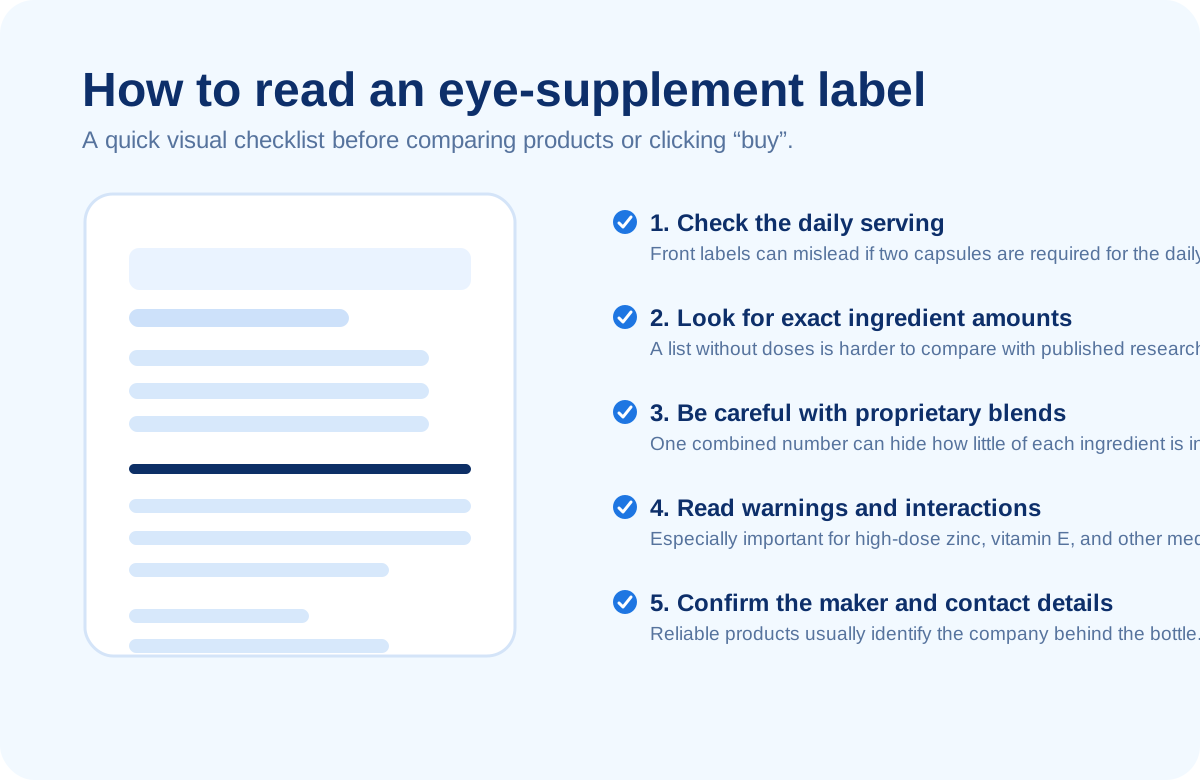
Make comparisons that mean something.
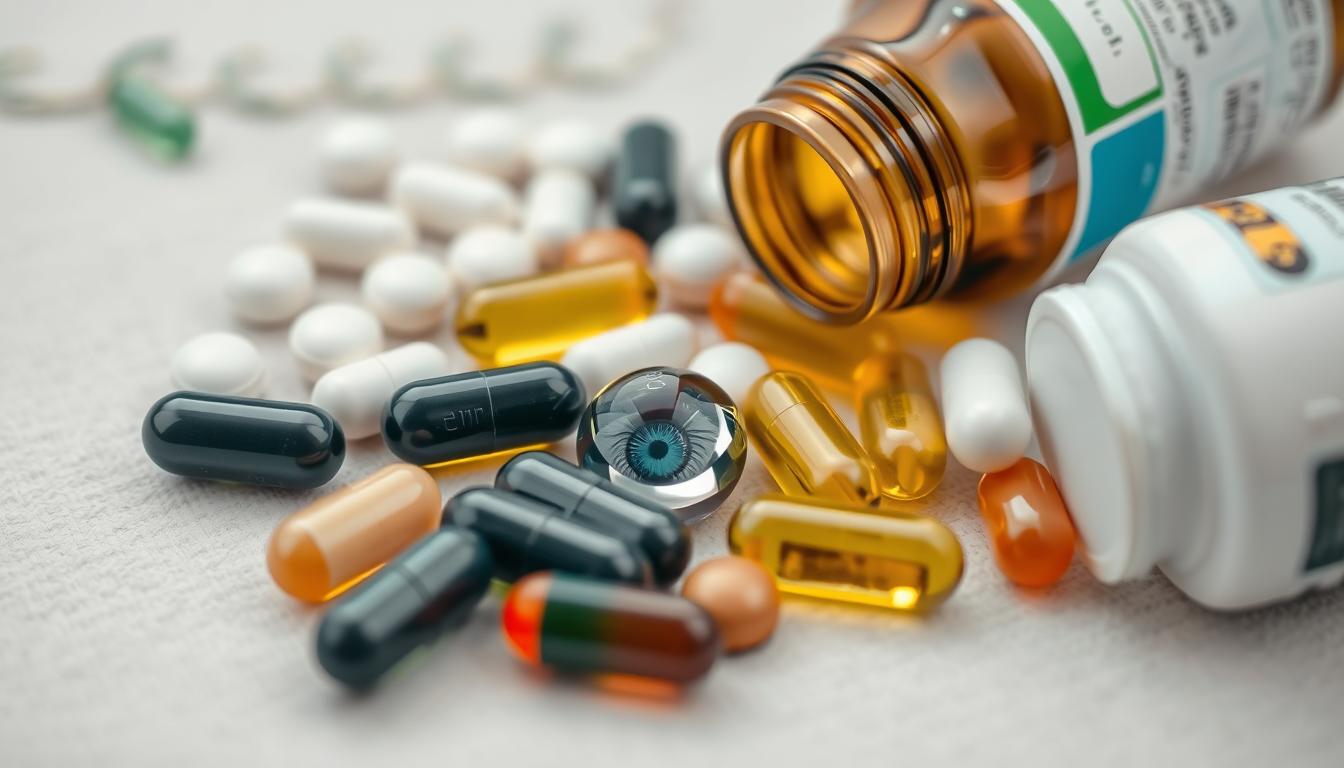
Best Eye Vitamins for Seniors: What to Look for After 50
A practical comparison guide to AREDS2, lutein and zeaxanthin, regular multivitamins and eye-supplement labels—plus who may benefit and who should ask a clinician first.
Read guide
Night Vision Supplements: What the Evidence Really Shows
A critical comparison of vitamin A, bilberry, lutein, zeaxanthin and AREDS2 for night vision, with safety limits and questions to ask before buying.
Read guide
Eye Supplement Side Effects and Drug Interactions: What Buyers Should Check
Understand eye supplement safety questions including AREDS2-strength zinc and vitamin E, smoking-related beta-carotene risks, and medications that deserve review.
Read guide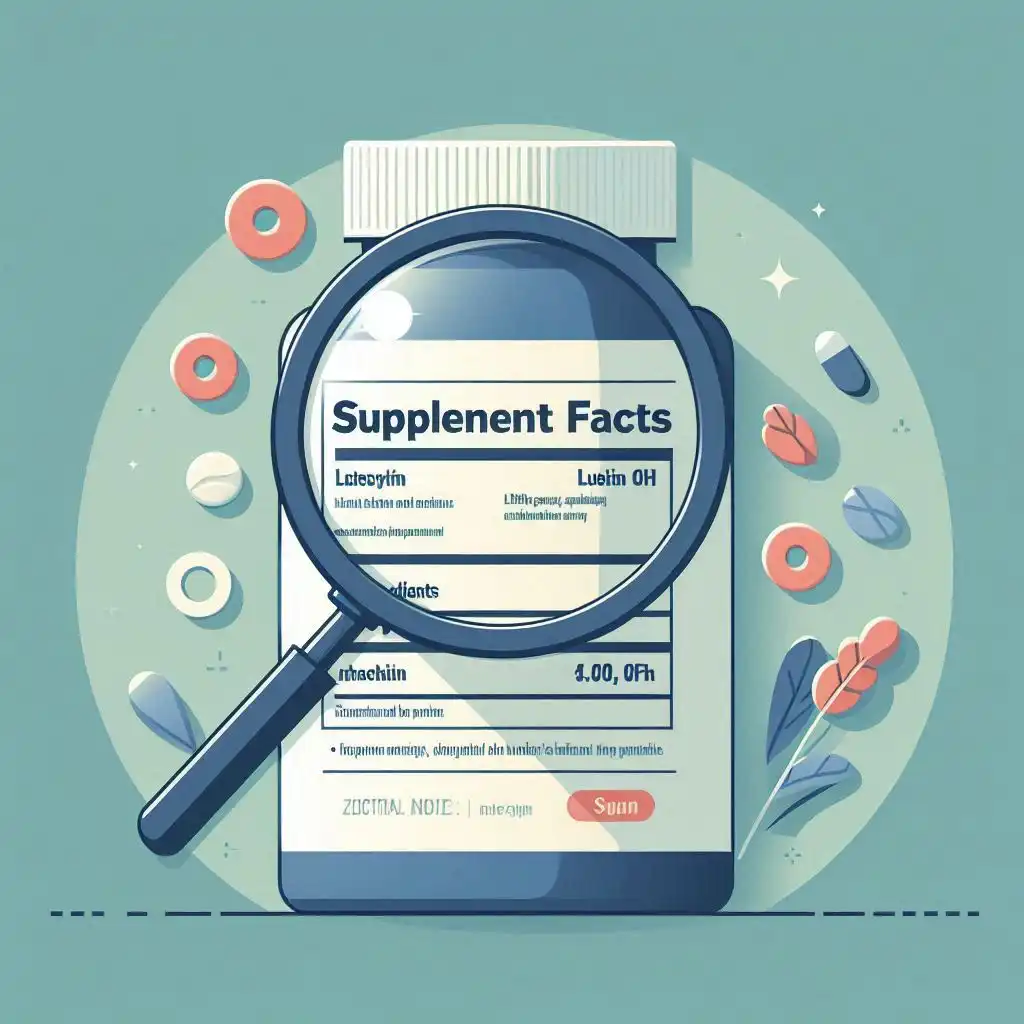
How to Read an Eye Supplement Label Before Buying
Learn to check supplement facts, daily serving amounts, AREDS2 claims, proprietary blends, quality statements, subscriptions and the real cost per day.
Read guide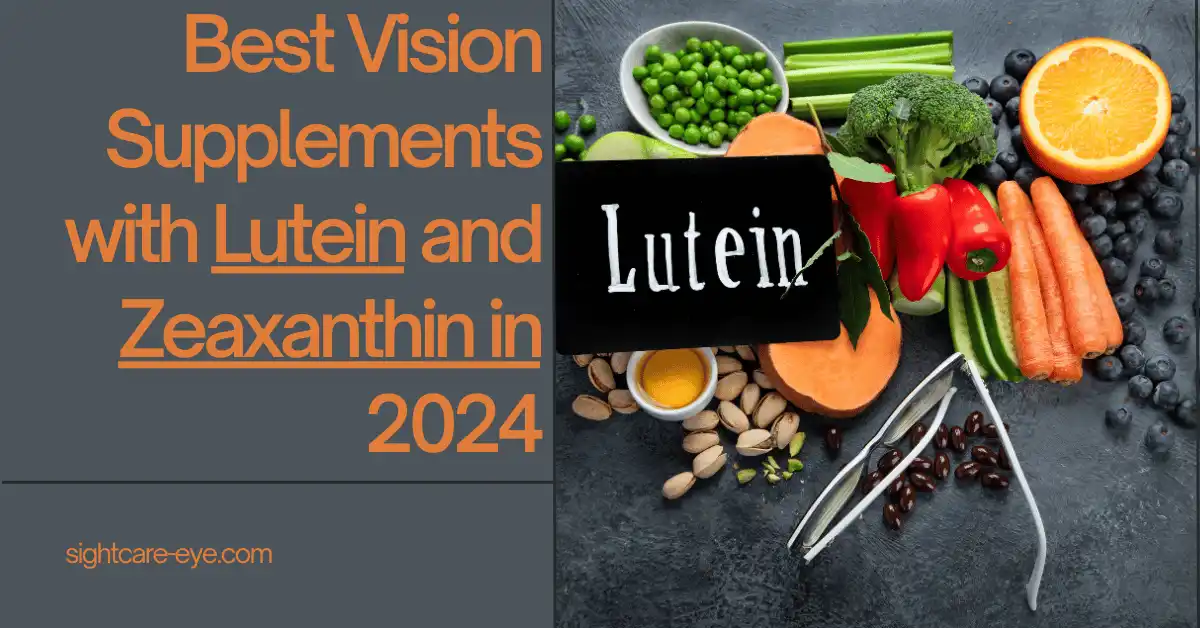
Lutein and Zeaxanthin Supplements: A Practical Evidence Guide
Understand the lutein-to-zeaxanthin ratio, AREDS2 research, food sources, label quality, safety and what supplements cannot claim to fix.
Read guide
Foods for Eye Health: What Nutrition Can—and Cannot—Do
Everyday food choices for balanced eye nutrition, including leafy greens, vitamin A sources, fruit, legumes and fish—without promises of curing eye disease.
Read guide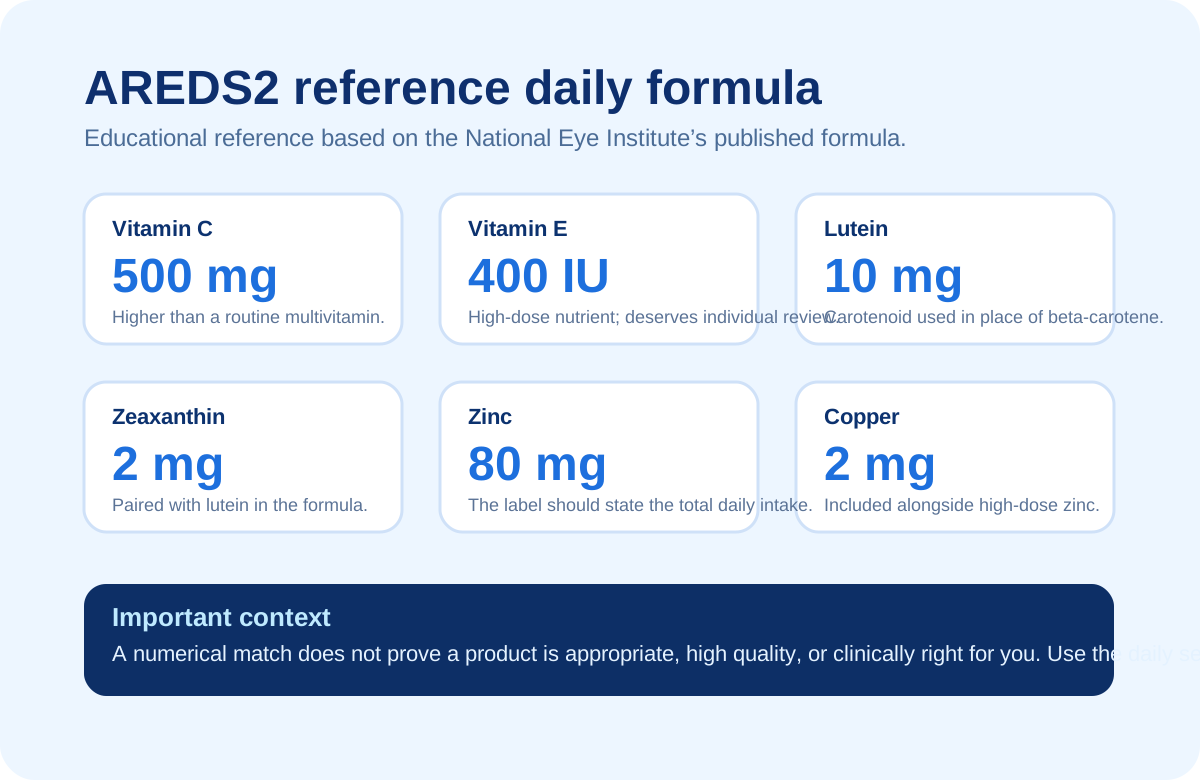
AREDS2 vs Regular Eye Vitamins: How to Compare the Formulas
AREDS2 is a specific clinical formula for some people with AMD, not a general eye vitamin. Learn ingredient doses, eligibility and everyday multivitamin differences.
Read guide